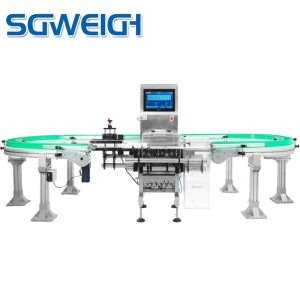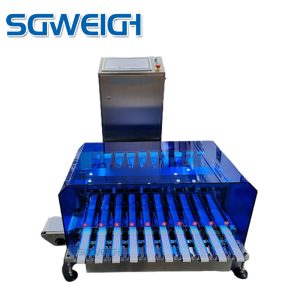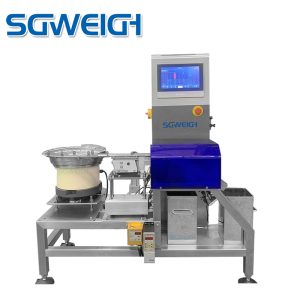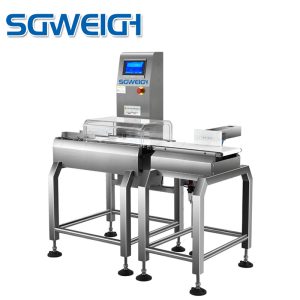
Metal contamination is a critical quality-control concern in pharmaceutical tablet manufacturing. During tablet compression, conveying, coating, and packaging, unwanted metal particles may enter the product stream through equipment wear, damaged components, raw materials, or other sources. A Tablet Metal Detector provides an inline inspection solution for identifying ferrous, non-ferrous, and stainless-steel metal contaminants before contaminated products reach the next production stage.
What Is a Tablet Metal Detector?
A tablet metal detector is a pharmaceutical inspection system designed to detect metallic contaminants in tablets and other solid-dose products while maintaining continuous production. The system generates a controlled electromagnetic field and monitors changes caused by metallic particles passing through the detection area.
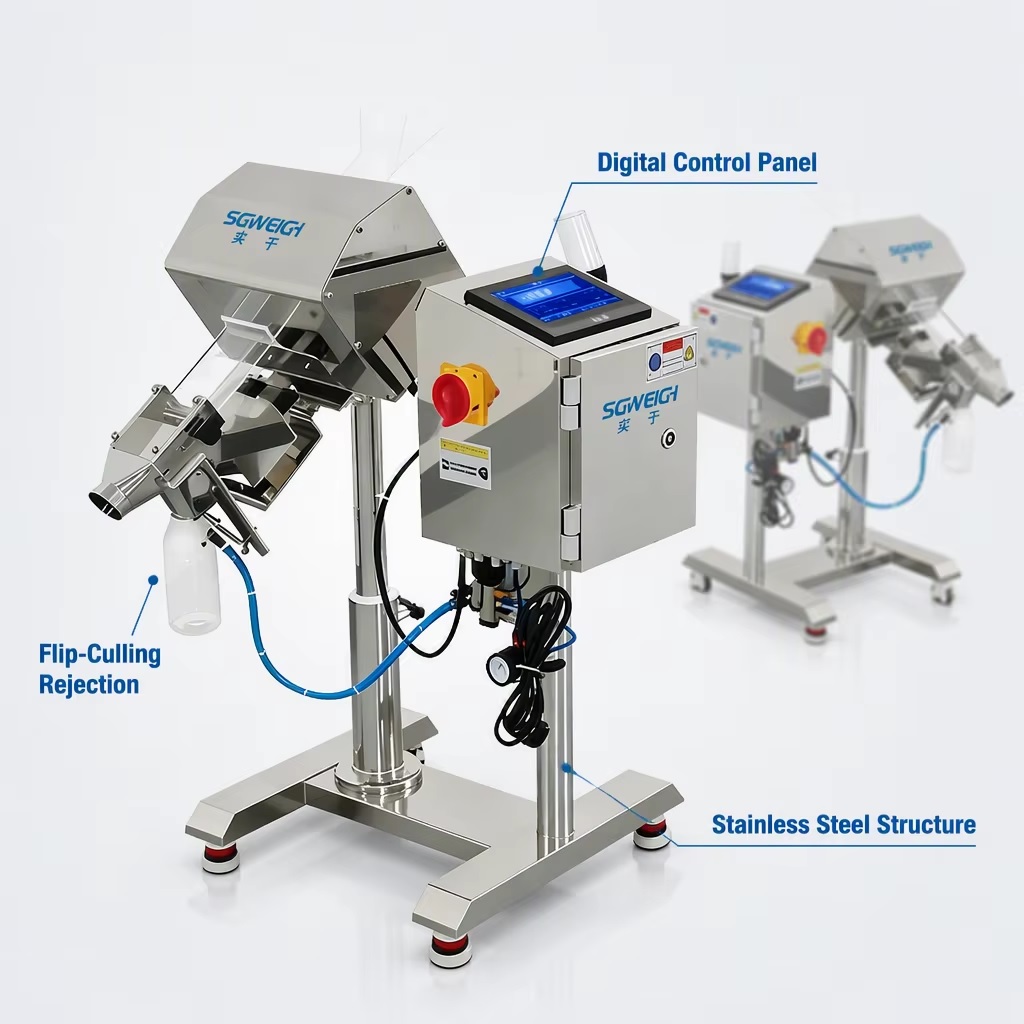
Pharmaceutical Metal Detection Systems can be integrated with tablet production, conveying, or packaging lines. When a metal contaminant is detected, the system can trigger an automatic rejection mechanism to remove the affected product from the production flow.
Why Is Metal Detection Important for Tablet Production?
Tablet manufacturing involves multiple mechanical processes and equipment components. Metal particles can potentially originate from machinery wear, tooling damage, maintenance activities, or incoming materials.
Installing an industrial metal detector for tablets helps manufacturers establish an additional inspection point within their quality-control process. It can support:
- Detection of ferrous metal contamination
- Detection of non-ferrous metal contamination
- Detection of stainless-steel contaminants
- Continuous inline inspection
- Automatic contaminated-product rejection
- Reduced risk of metal-contaminated tablets entering downstream processes
- Integration with pharmaceutical production lines
How Does a Pharmaceutical Tablet Metal Detector Work?
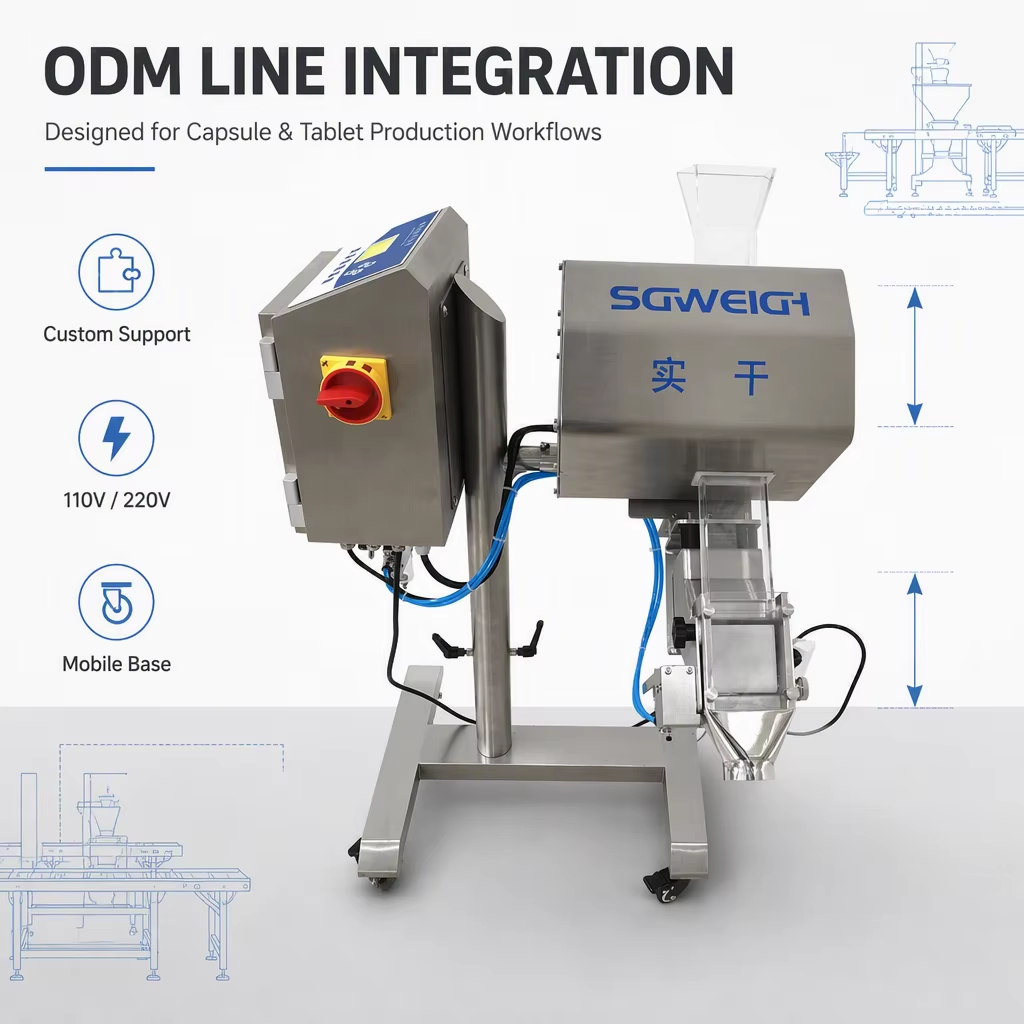
The operating principle is based on electromagnetic detection. Tablets pass through the metal detector’s aperture or inspection channel. When a conductive metal contaminant enters the detection field, it produces a measurable signal change.
The control system analyzes the signal and determines whether it meets the configured detection criteria. If a metal contaminant is identified, the connected reject system can automatically remove the affected tablet or product flow.
Detection performance depends on factors such as product characteristics, aperture size, machine configuration, environmental conditions, and the type, shape, and orientation of the metal contaminant.
Where Can Tablet Metal Detection Be Used?
A tablet metal detector can be installed at different stages of pharmaceutical manufacturing depending on the production-line design and quality-control strategy.
Typical applications include:
- Tablet compression lines
- Tablet conveying systems
- Tablet dedusting lines
- Tablet coating processes
- Tablet counting and packaging lines
- Pharmaceutical end-of-line inspection
- Tablet and capsule production systems
For combined inspection requirements, manufacturers can also integrate metal detection with checkweighing to inspect both product weight and potential metal contamination within the same production process.
What Should Manufacturers Consider When Choosing a Tablet Metal Detector?
Selecting a pharmaceutical metal detection system requires more than simply comparing detection sensitivity. Manufacturers should consider the complete production environment and inspection requirements.
Important factors include:
- Product characteristics – Tablet size, formulation, moisture content, conductivity, and product effect can influence detection performance.
- Detection sensitivity – Required sensitivity should be established through application testing rather than relying only on theoretical specifications.
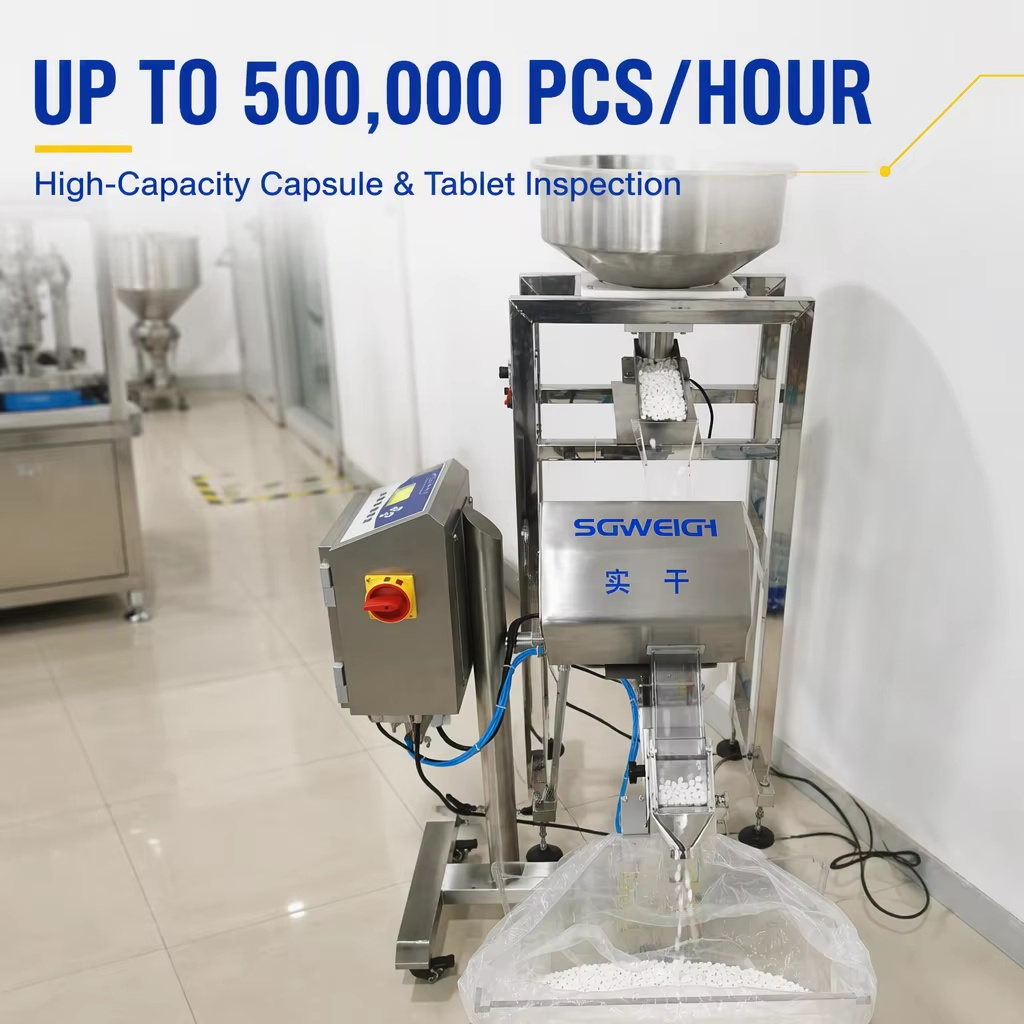
- Production speed – The detector and reject mechanism should match the required tablet throughput.
- Reject system – The rejection method should reliably remove contaminated products without disrupting normal production.
- Hygienic design – Pharmaceutical equipment should be designed for convenient cleaning and maintenance.
- Integration – Communication with upstream and downstream equipment can improve production-line control and traceability.
- Validation requirements – Pharmaceutical manufacturers should define appropriate testing, verification, and documentation procedures for their specific process.
What Are the Benefits of Inline Tablet Metal Detection?
An inline pharmaceutical metal detection system can provide:
- Continuous product inspection
- Automatic contaminant detection
- Automatic reject control
- Improved production-line monitoring
- Reduced dependence on manual inspection
- Easy integration with automated pharmaceutical equipment
- Support for documented quality-control procedures
The actual detection capability should always be verified using the customer’s specific tablets, production speed, product effect, aperture dimensions, and required test standards.
Conclusion
A tablet metal detector is an important inline inspection technology for pharmaceutical manufacturers looking to identify metallic contamination during tablet production and packaging. By combining electromagnetic detection, automatic rejection, and production-line integration, the system can support consistent and automated contamination control.
For pharmaceutical applications, the most suitable configuration should be determined through product testing and application-specific validation. Factors such as tablet characteristics, line speed, aperture size, required sensitivity, reject method, and hygiene requirements should all be considered before selecting the equipment.
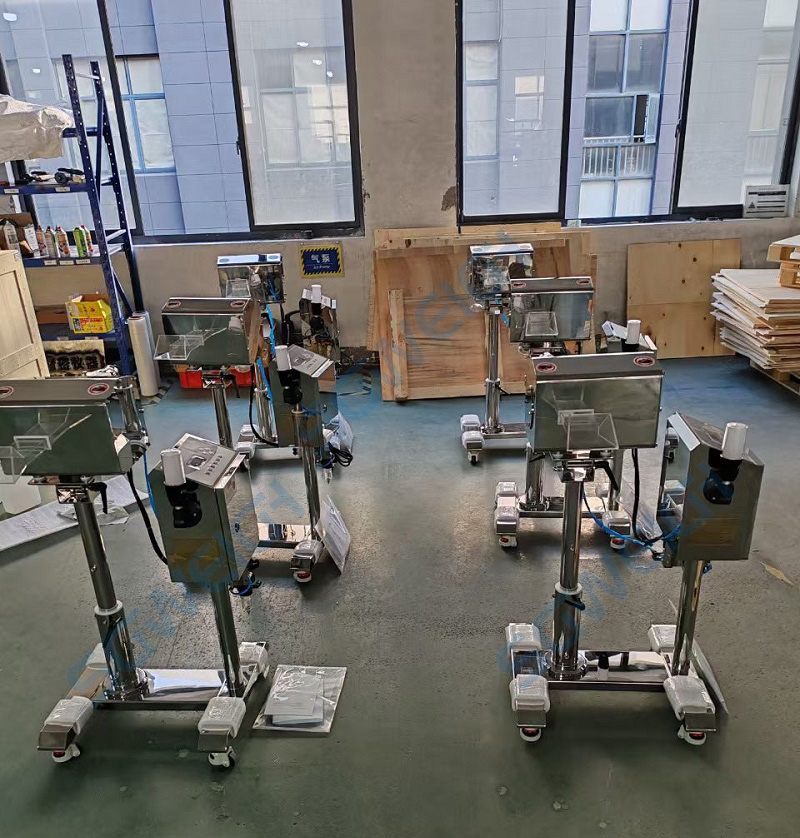
Looking for a tablet metal detector for your pharmaceutical production line? Contact us to discuss your tablet size, production speed, required detection sensitivity, and line configuration. We can recommend a suitable pharmaceutical metal detection solution based on your application.

TAGS