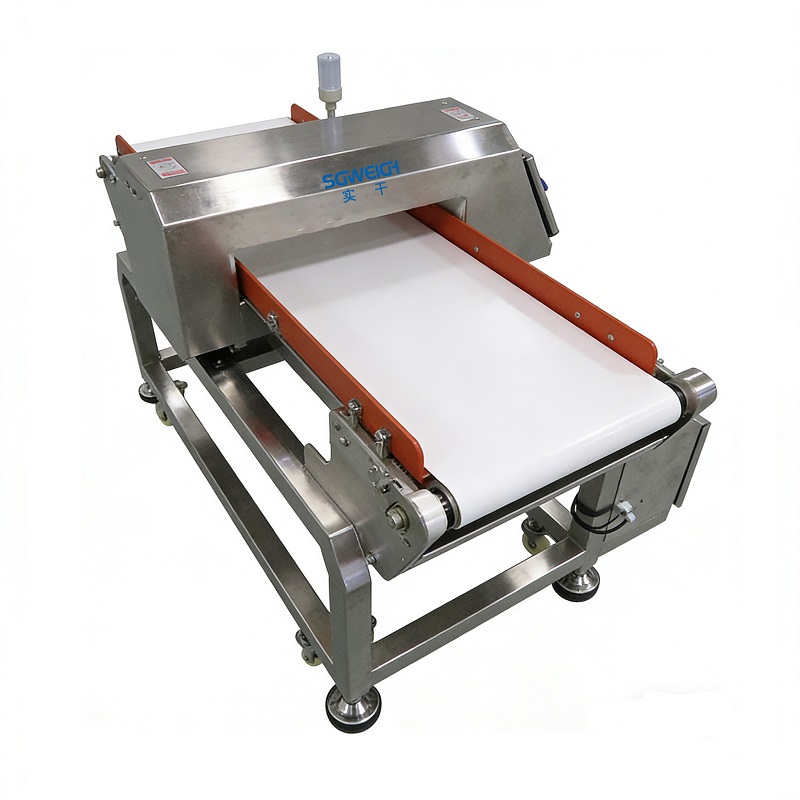
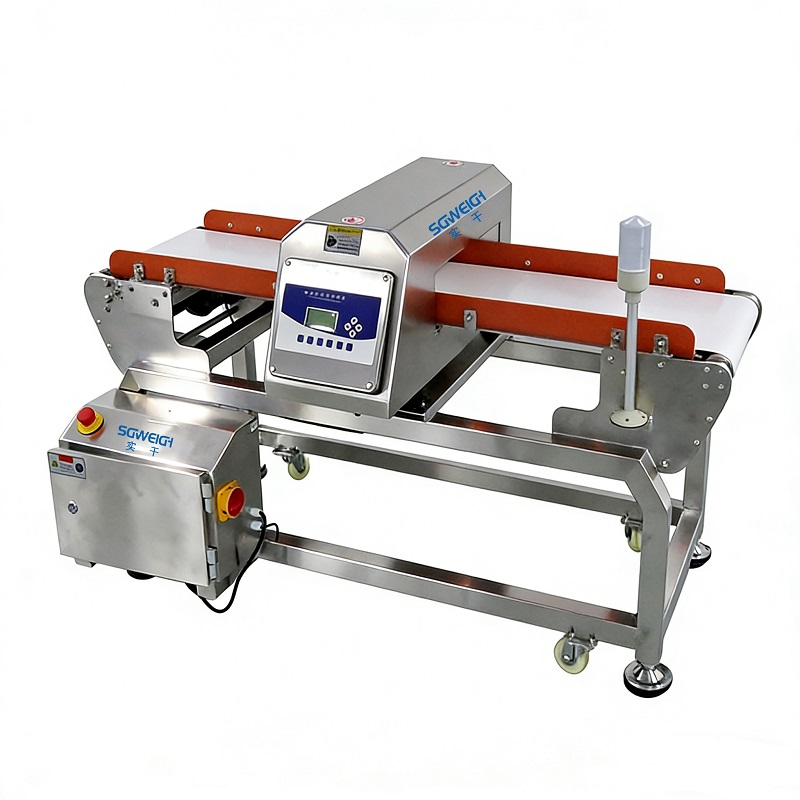
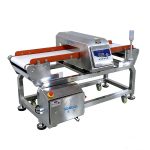
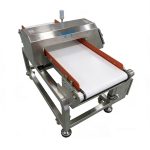
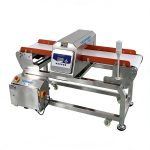
■ Product Overview
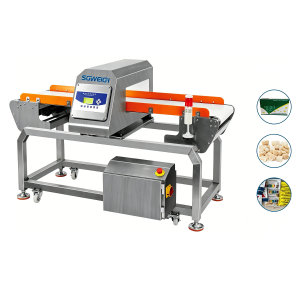
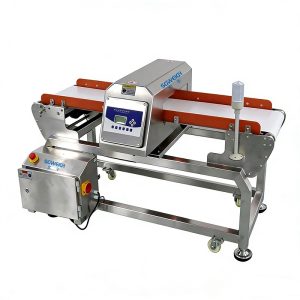
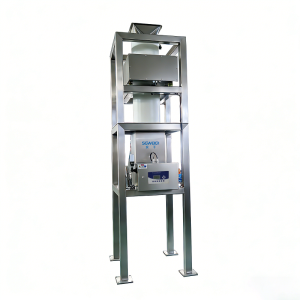
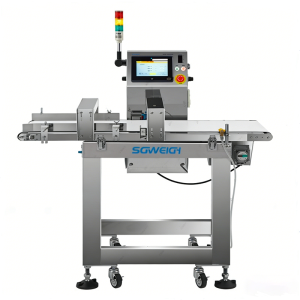
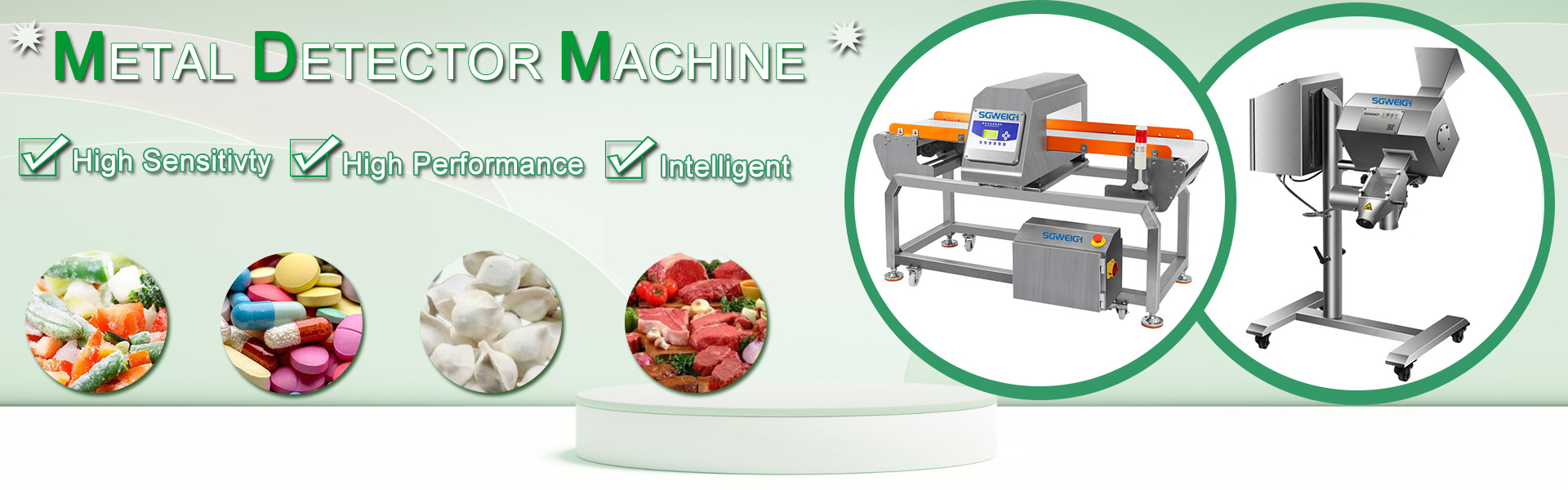
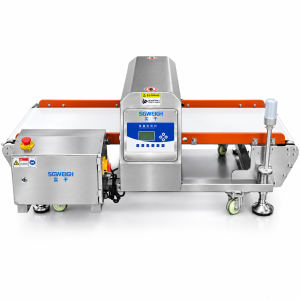
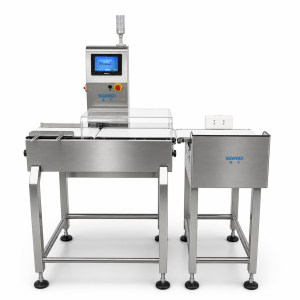
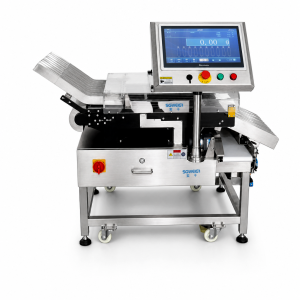
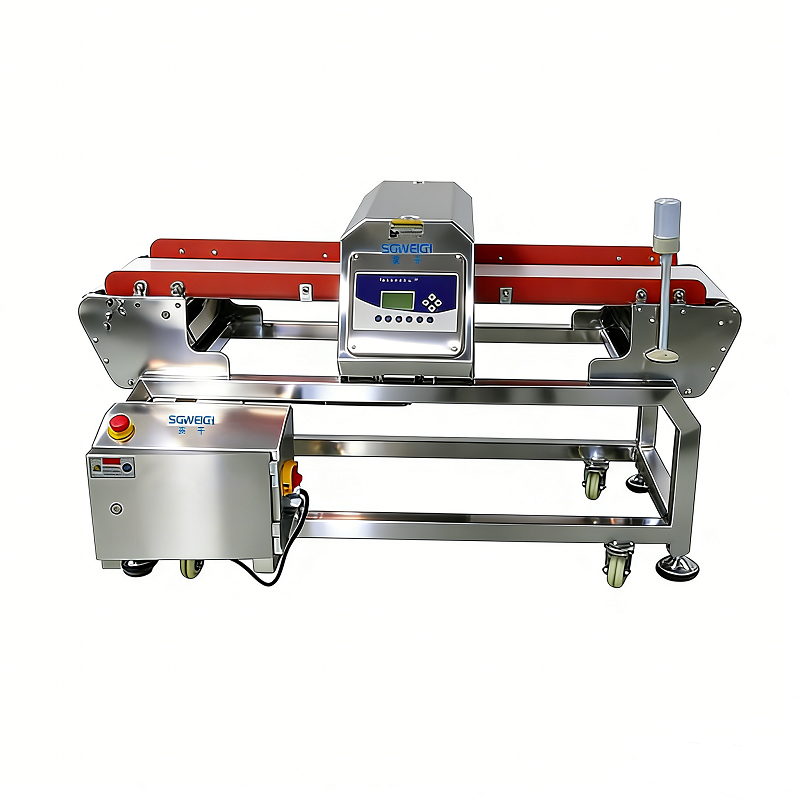
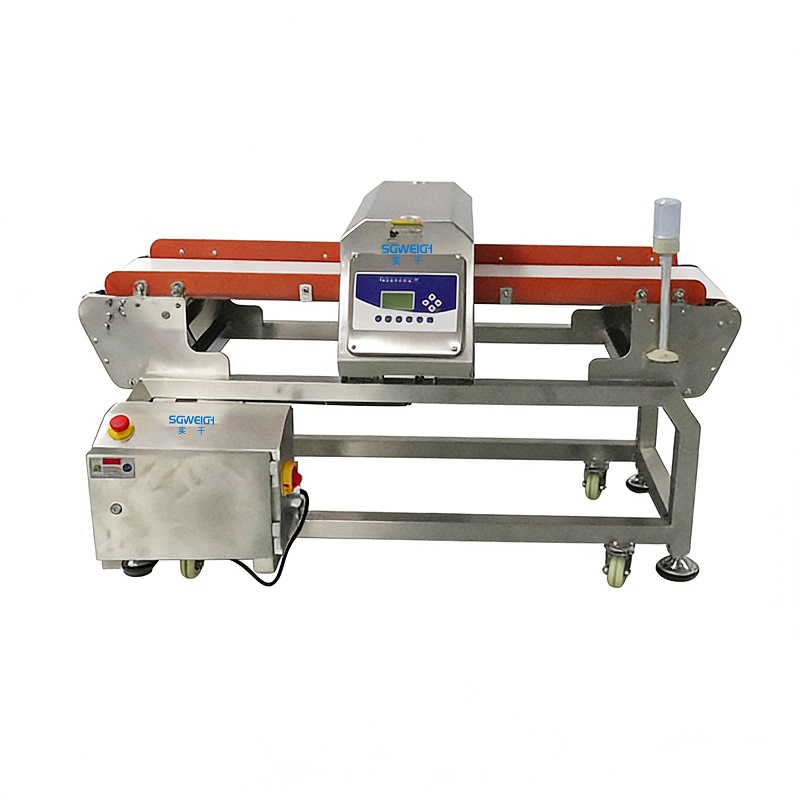
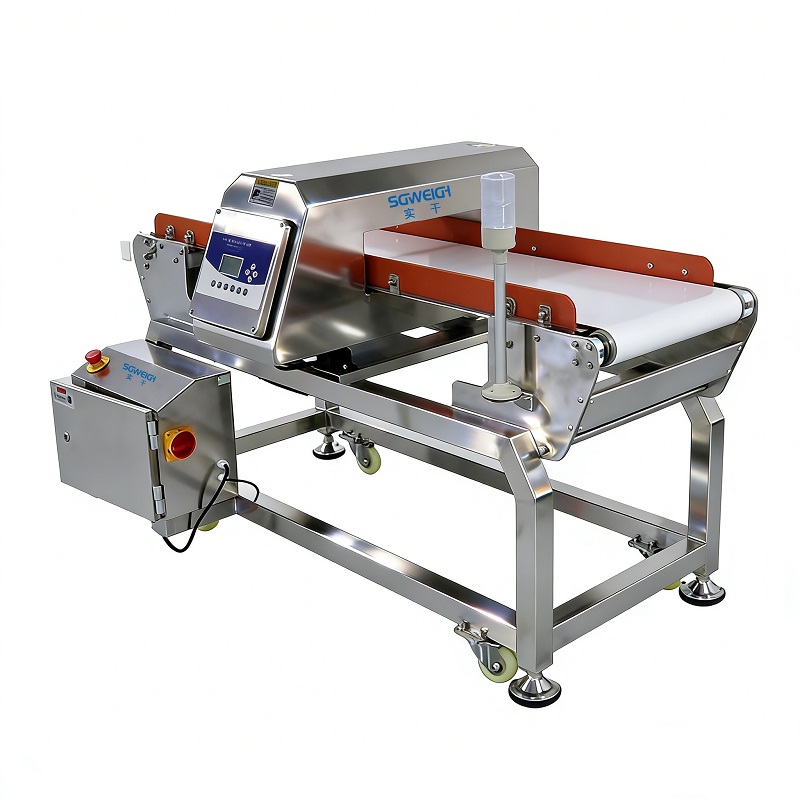
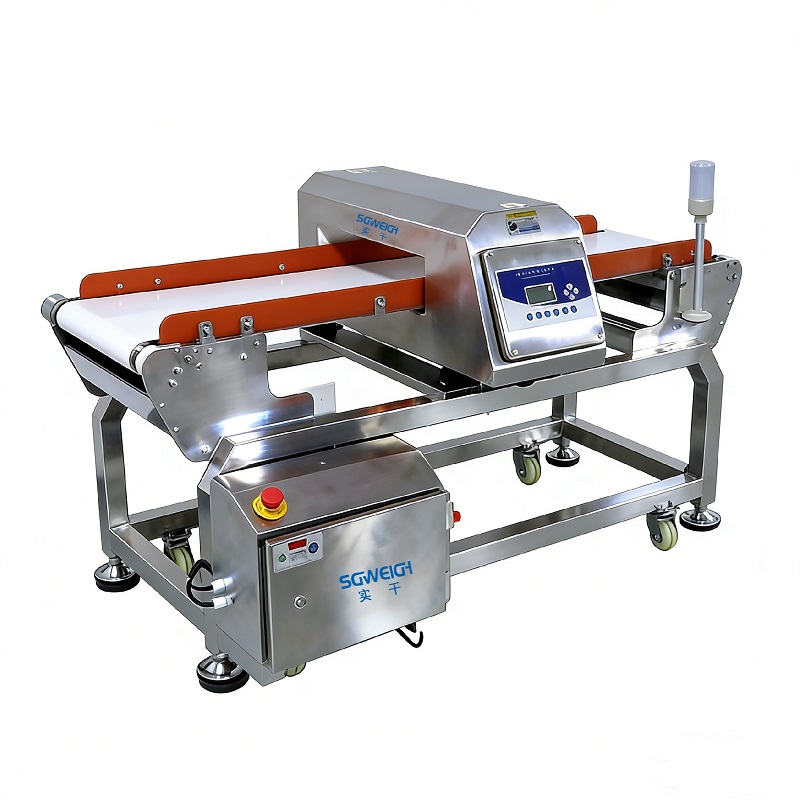
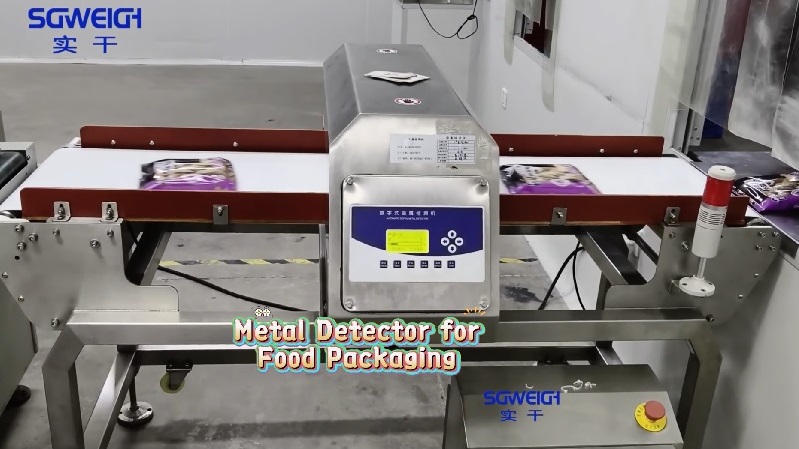
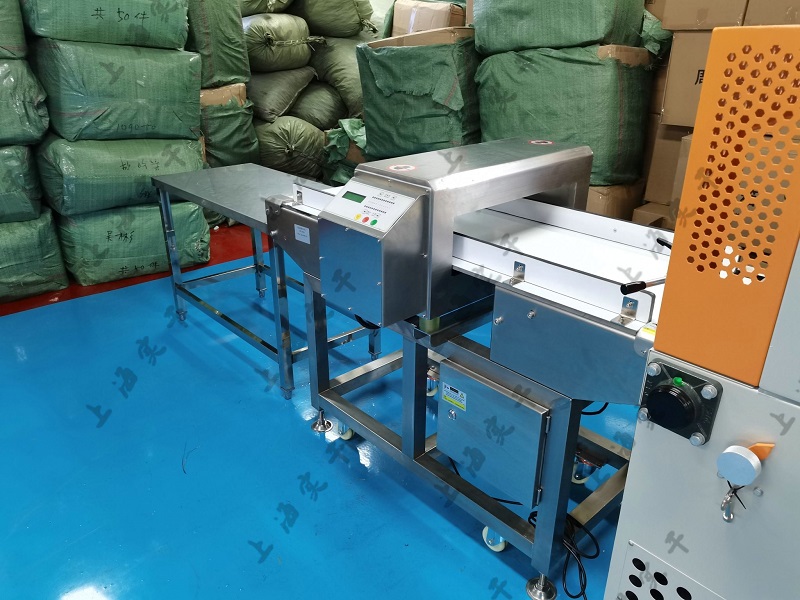
Food Metal Detector is a food safety testing device designed based on the principle of electromagnetic induction.Conveyor Belt Metal Detector can detect metals that may have entered the production process online.
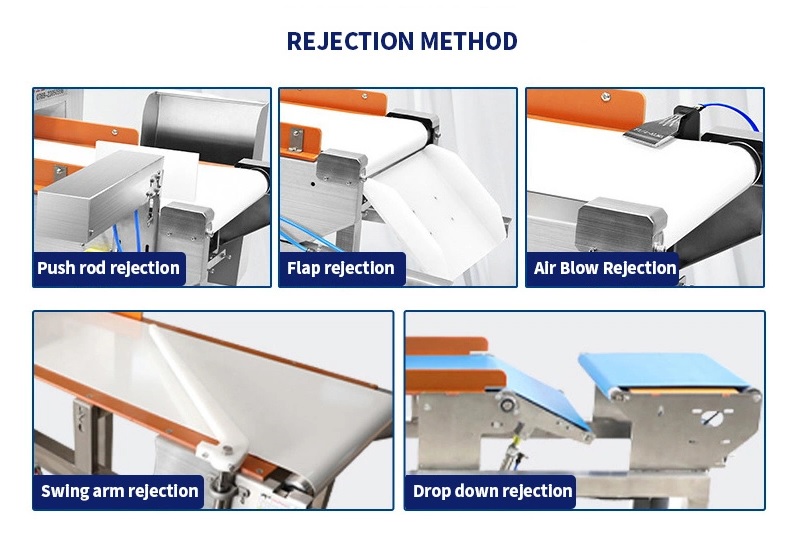
Equipped with an automatic rejection system, it will automatically alarm and remove wrong products from the production line via the rejection device.
■ Tech Specifications
| Type | SG-M400 |
| Machine Grade | Food Grade |
| Detect method | Electromagnetic wave detection |
| Detecting width | 150-1000mm customized according to requirements |
| Detecting height | Detecting height |
| Detecting sensitivity | Fe 0.8mm, Non-Fe1.5mm, SUS 1.5mm |
| Detecting adjustment | Detecting adjustment |
| Belt Speed | 25m /min (or specified) |
| Alarm mode | metal detection, alarm belt stop or automatic removal |
| Power | AC220V,50/60Hz (Or Customized) |
■ Main Features
1. High Sensitivity Detection
Utilizes advanced detection technology to enhance the ability to identify minute metal particles.
2. Automatic Rejection System
Automatically rejects products containing metal, preventing substandard products from entering the market.
3. Online Real-Time Detection
Can be directly installed on the production line for continuous automatic detection.
4. Digital Signal Processing Technology
Improves detection stability and reduces interference from food-related effects.
5. Waterproof and Dustproof Design
Meets food processing environment requirements and is suitable for humid or high-hygiene environments.
6. Easy-to-Clean Structural Design
Stainless steel body design meets food industry hygiene standards.
7. Quality Control and Regulatory Compliance
Helps companies meet food safety regulations and quality certification requirements.
■ Application
Metal detectors for food are widely used in:
Meat and seafood processing
Baked goods
Dairy products
Frozen foods
Confectionery and snacks
Powdered foods (seasonings, milk powder, etc.)
Metal detection equipment may be installed in almost all stages of food production.

■ Customers

■ Exhibitions

■ Packaging & Delivery
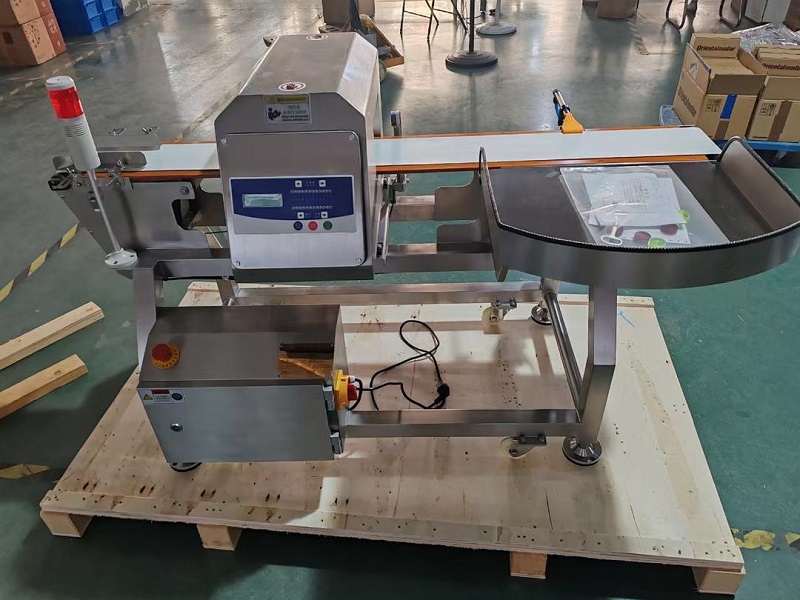
Our machines is fully tested and calibrated before delivery.
It is packed in a strong wooden case with internal shockproof protection.
Various shipping options are available — by sea, air, or land — ensuring safe and on-time delivery by professional logistics partners.


■ FAQ
Q1. What metals can a food metal detector detect?
A1: Generally, it can detect three types of metals:
Ferrous
Non-ferrous (e.g., aluminum, copper)
Stainless steel. Iron is the easiest to detect, while stainless steel is usually the most difficult.
Q2. How does a food metal detector work?
A2: Food metal detectors typically use balanced coil electromagnetic field technology:
The equipment generates an electromagnetic field.
When metal passes through, it changes the magnetic field.
The system detects the signal change.
Automatically, it alarms or rejects the product.
This technology allows for real-time online detection on the production line.
Q3. Can wet or frozen foods be detected?
A3: Yes, but product effect is important:
High moisture, high salt, and conductive foods (such as meat, cheese, and frozen foods) may affect detection sensitivity. Therefore, it usually requires:
Multi-frequency detection technology.
Smaller detection aperture.
Product compensation settings.
Otherwise, false alarms or missed detections are likely.
Q4. In which production stage is the metal detector installed?
A4: Common installation locations:
After raw material processing.
Before packaging.
After packaging (most common).
Before shipment.
Post-packaging inspection can prevent equipment parts from falling into the product.
Q5. Why do food metal detectors sometimes trigger false alarms?
A5: Common causes:
Product effects (salt, moisture).
Environmental electromagnetic interference.
Temperature changes.
Equipment vibration.
Conveyor belt or metal component problems.
Proper installation and commissioning can reduce false alarms.



TAGS