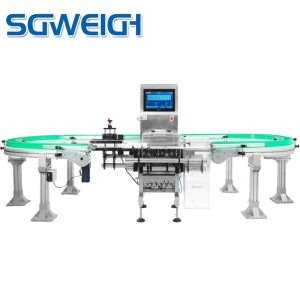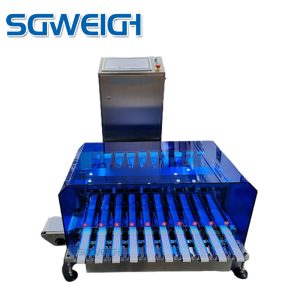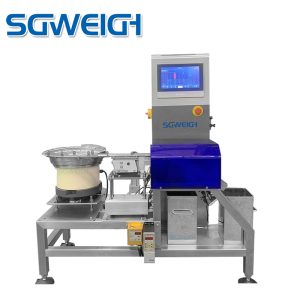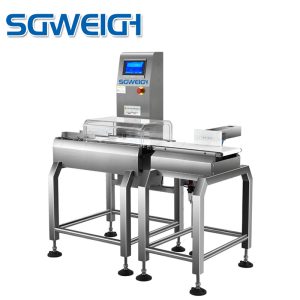
What Is a Checkweigher?
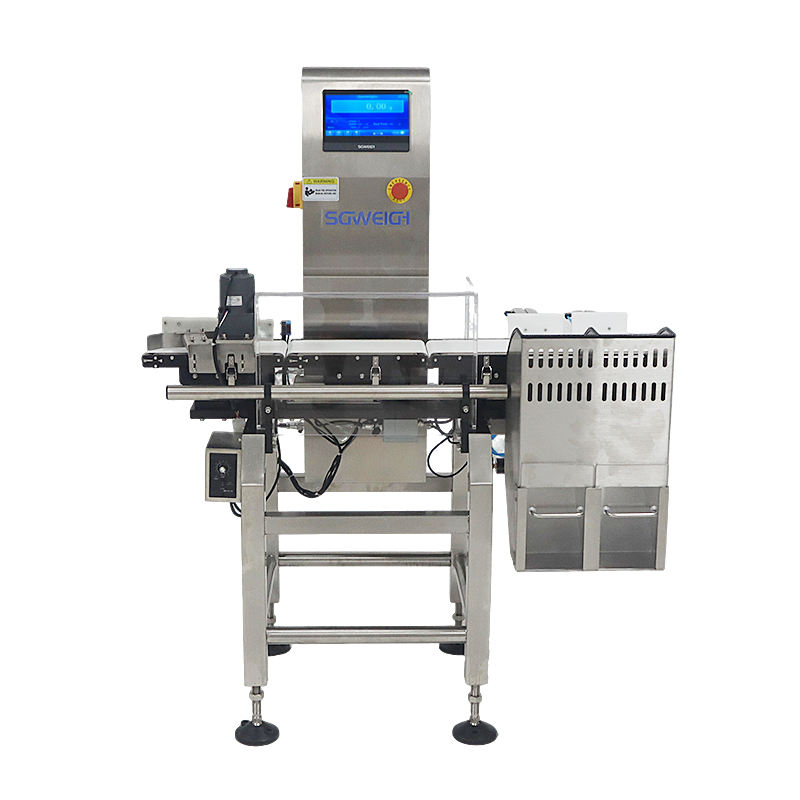
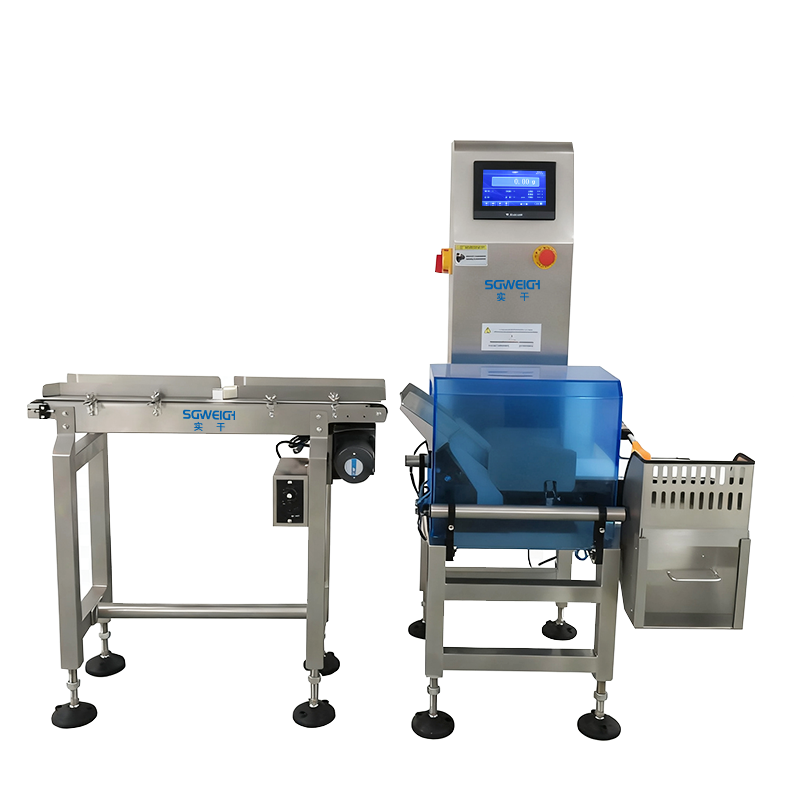
Core Working Principle of Checkweighers
- Product conveying and spacing to ensure single-file weighing
- Force-to-electrical signal conversion via high-precision load cells
- Digital signal processing and weight calculation with dynamic filtering
- Comparison with preset tolerance → pass/reject judgment
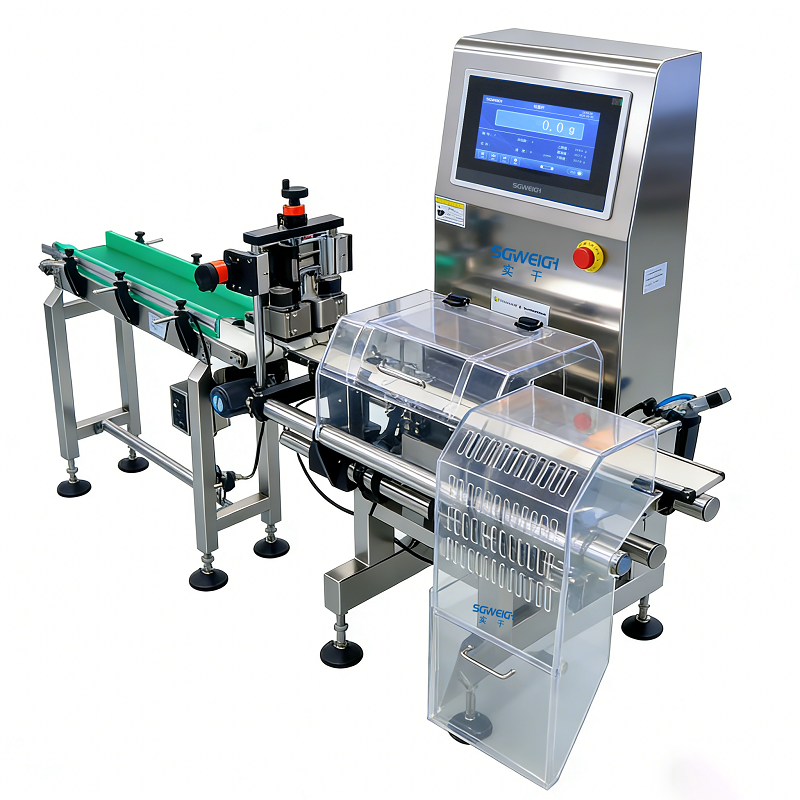
Main Components & Their Roles
-
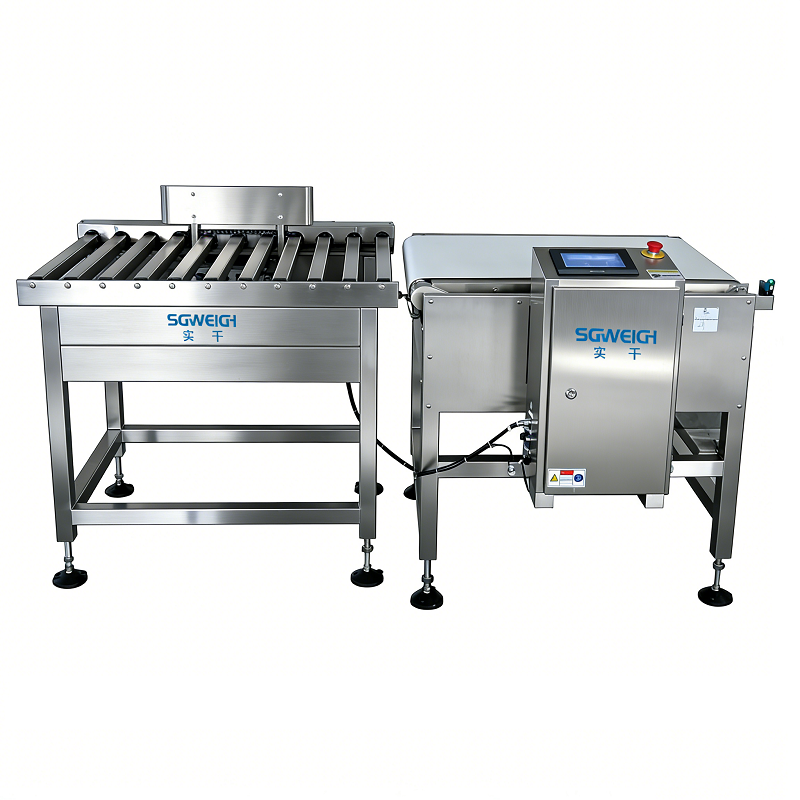
Infeed Conveyor
- Receives products from the upstream line
- Adjusts speed to create proper product spacing
- Prevents overlapping or contact that causes weighing errors
-
Weighing Conveyor (Weigh Bed)
- The core weighing area mounted on load cells
- Stable, low-vibration design for accurate sampling
- Only one product stays on it at a time
-
Load Cell (Weighing Sensor)
- Converts mechanical force into electrical signals
- The “heart” of weighing accuracy
- Common types: strain gauge load cells, EMFC (electromagnetic force compensation)
-
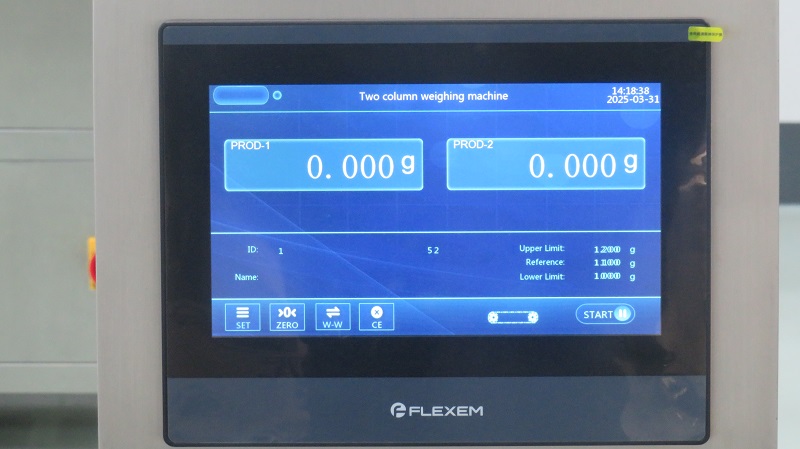
Controller & HMI
- Processes signals, calculates real weight
- Stores target weight and tolerance limits
- Displays data, alarms, and production statistics
-
Reject System & Outfeed Conveyor
- Removes underweight/overweight products
- Common reject types: pusher, air jet, drop conveyor, flap diverter
- Passed products continue to downstream packaging
Full Step-by-Step Working Process
-
Product Entry
Products enter the infeed conveyor from fillers, sealers, or upstream lines.
-
Spacing & Separation
Infeed speed increases slightly to separate products and avoid interference.
-
Position Triggering
Photoelectric sensor detects when a product enters the weighing zone.
-
Dynamic Weighing
Product rests on the weigh belt; load cells capture weight signals multiple times per second.
-
Signal Filtering & Calculation
The controller filters vibration noise, stabilizes readings, and computes true weight.
-
Weight Judgment
System compares measured weight with preset upper/lower limits:
- Within tolerance → pass
- Underweight → reject
- Overweight → reject
-
Automatic Rejection
Non-conforming products are removed immediately; qualified products proceed.
-
Data Logging & Output
Weight data is saved for reports, CPK analysis, and MES/ERP integration.
Key Weighing Technologies (Load Cells & Signal Processing)
Load Cell Types
- Strain Gauge Load Cell
Most widely used; cost-effective, stable, suitable for general food, beverage, and industrial products.
- EMFC (Electromagnetic Force Compensation)
Ultra-high precision, used in pharmaceuticals, small parts, and high-accuracy applications.
Signal Processing Workflow
- Weak analog signal output from load cell
- Signal amplification
- A/D conversion (analog to digital)
- Dynamic filtering and vibration compensation
- Weight calculation and judgment
Types of Checkweighers & Suitable Scenarios
-
In-Motion (Dynamic) CheckweigherFor automated lines; high speed, full inspection; most common in factories.
-
Static Checkweigher
Manual sampling; low speed; for small-batch or spot checks.
-
High-Speed Checkweigher
For cans, bottles, snacks; up to 600 pieces per minute.
-
Heavy-Duty Checkweigher
For boxes, cases, cartons; large weight range.
-
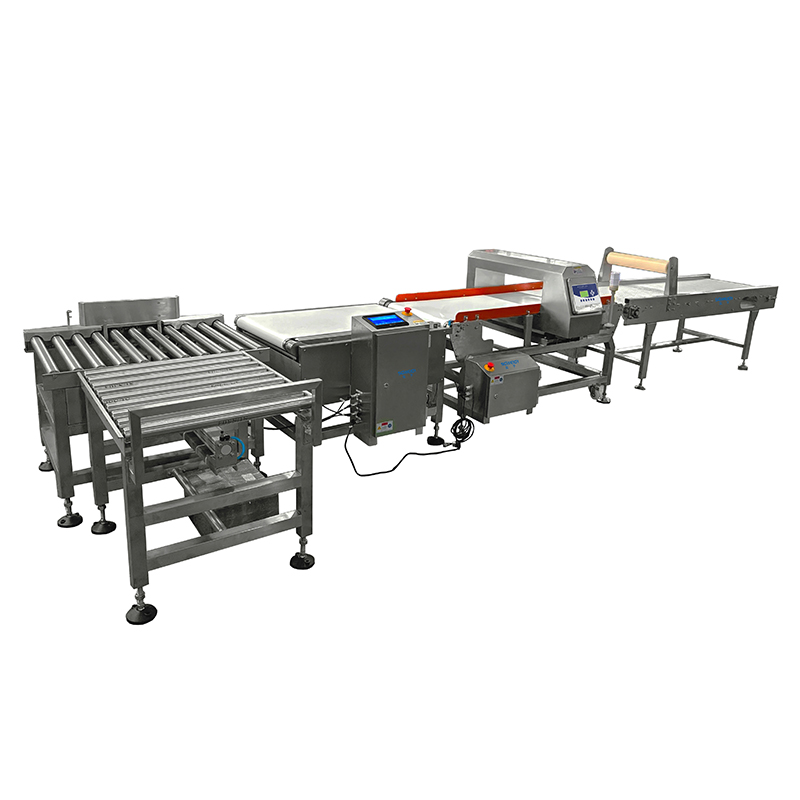
Checkweigher with Metal Detector Combo
Integrated weight and metal detection; common in food and pharma.
Typical Applications & Industries
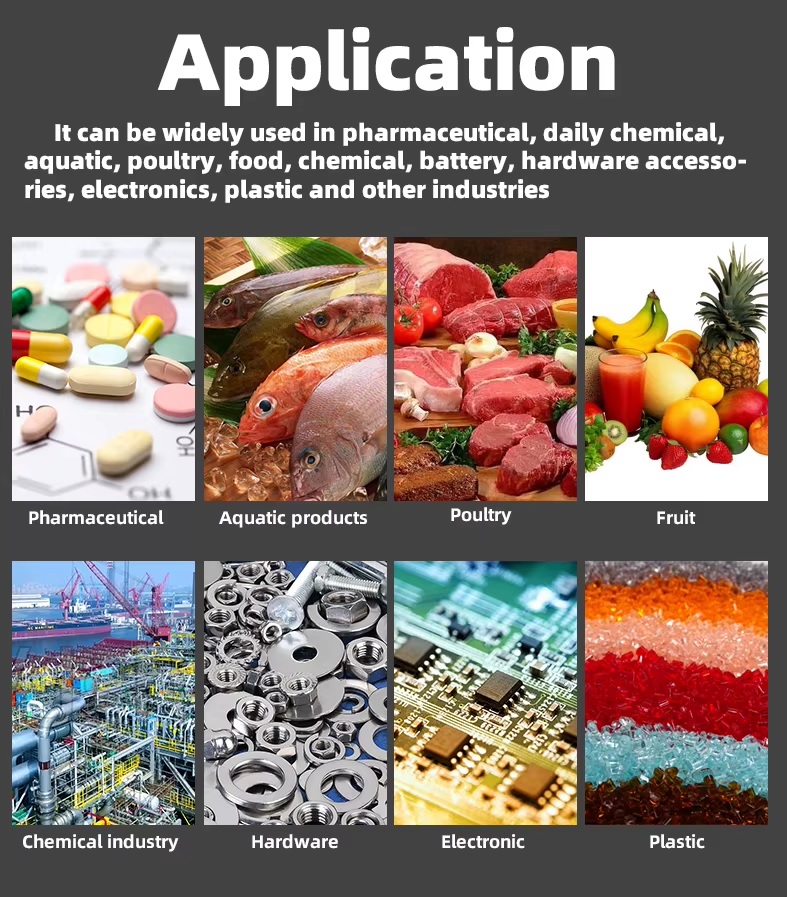
- Food & beverage (snacks, beverages, frozen food, meat, bakery)
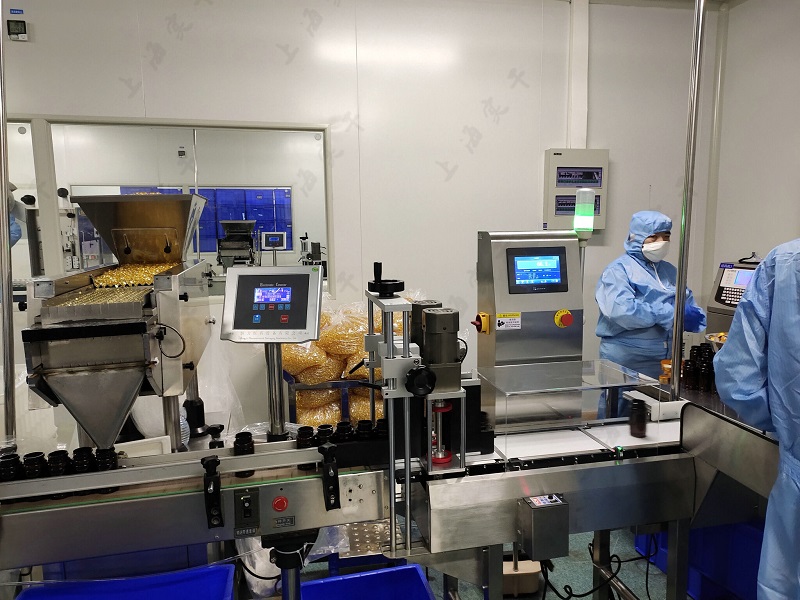
- Pharmaceutical (tablets, capsules, creams, syringes)
- Cosmetics & daily chemicals
- Small hardware & electronics
- Logistics & packaging (carton weight checking)
- Agricultural products & fresh produce
Benefits of Using a Checkweigher
- Ensure regulatory compliance (label weight laws)
- Reduce product giveaway (overfilling loss)
- Eliminate underweight complaints and recalls
- 100% inspection instead of manual sampling
- Improve production efficiency and reduce labor
- Collect data for process optimization
- Stable quality and brand protection
Factors Affecting Checkweigher Accuracy
- Product shape and stability
- Line speed and conveyor vibration
- Airflow and wind interference
- Load cell quality and calibration
- Product spacing and positioning
- Temperature and environment
- Proper maintenance and cleaning
Conclusion